
SINCE 1988
SOUTHWEST FLORIDA’S AUTHORITY IN TILT-UP CONCRETE
Southwest Florida’s commercial concrete landscape has been shaped by GCM since 1988 — and we have the TCA awards, world-first projects, and landmark structures across Lee and Collier counties to prove it. As a self-performing structural concrete subcontractor, our Concrete Division partners with owners and general contractors to deliver foundations, slabs, structural walls, paving, and award-winning tilt-up construction. Our work is backed by engineering-informed expertise and seasoned field superintendents who have seen every soil condition, wind load, and permitting hurdle this market can produce.
Our Capabilities
Tilt-Up Expertise
Industry-leading expertise in tilt-up concrete construction.
Speed to Market
Accelerated schedules deliver competitive value for clients.
Integrated Delivery
Seamless pre-construction, construction, and closeout.
Industry Focus
Industrial, distribution, commercial, marine, and institutional.
Safety First
Committed to zero incidents and the highest standards.
Proven Results
Delivering projects that exceed expectations every time.
How the Tilt-Up Process Works
Casting concrete panels directly on the jobsite eliminates logistical expense and lets crews quickly create strong, durable structures while keeping tight control over quality, speed, and design. Once panels are lifted and secured, the building takes shape fast — creating an affordable, energy-efficient envelope built for high performance in commercial projects.
GCM has delivered tilt-up structures ranging from 15,000 to 86,000+ square feet across Fort Myers. When you work with us, you’re not learning tilt-up alongside us — we’ve been doing it longer than most of our competitors have been in business.

A Licensed P.E. & S.E. On Staff
GCM brings a level of technical understanding to complex concrete projects that most subcontractors can’t match. That capability isn’t there to replace your design team — it’s there to strengthen it. We work collaboratively with project engineers and design professionals to improve constructability, efficiency, and outcomes, resolving challenges before they become expensive surprises on the jobsite.
Tilt-Up vs. Traditional Block or Steel
How tilt-up concrete compares across the factors that matter most.
| Factor | Tilt-Up Concrete★ Best Overall Value | Steel Frame | CMU Block |
|---|---|---|---|
| Construction Speed | Fastest — panels cast on-site | Moderate — fabrication lead times | Slowest — unit-by-unit assembly |
| Cost Efficiency | Lowest — minimal labor & transport | Higher — steel fabrication costs | Higher — labor intensive |
| Hurricane Resistance | Superior — monolithic reinforced walls | Moderate | Good |
| Design Flexibility | High — textured finishes, curves, glass | High | Moderate |
| Long-Term Maintenance | Lowest | Higher — rust/coating upkeep | Moderate |
| Energy Performance | Excellent — thermal mass efficiency | Requires added insulation | Good |
Projects We’ve Completed
These award-winning tilt-up and tilt-wall projects show the range of what our Concrete Division delivers. They sit alongside a broader portfolio of foundations, slabs, and structural concrete work across Southwest Florida.
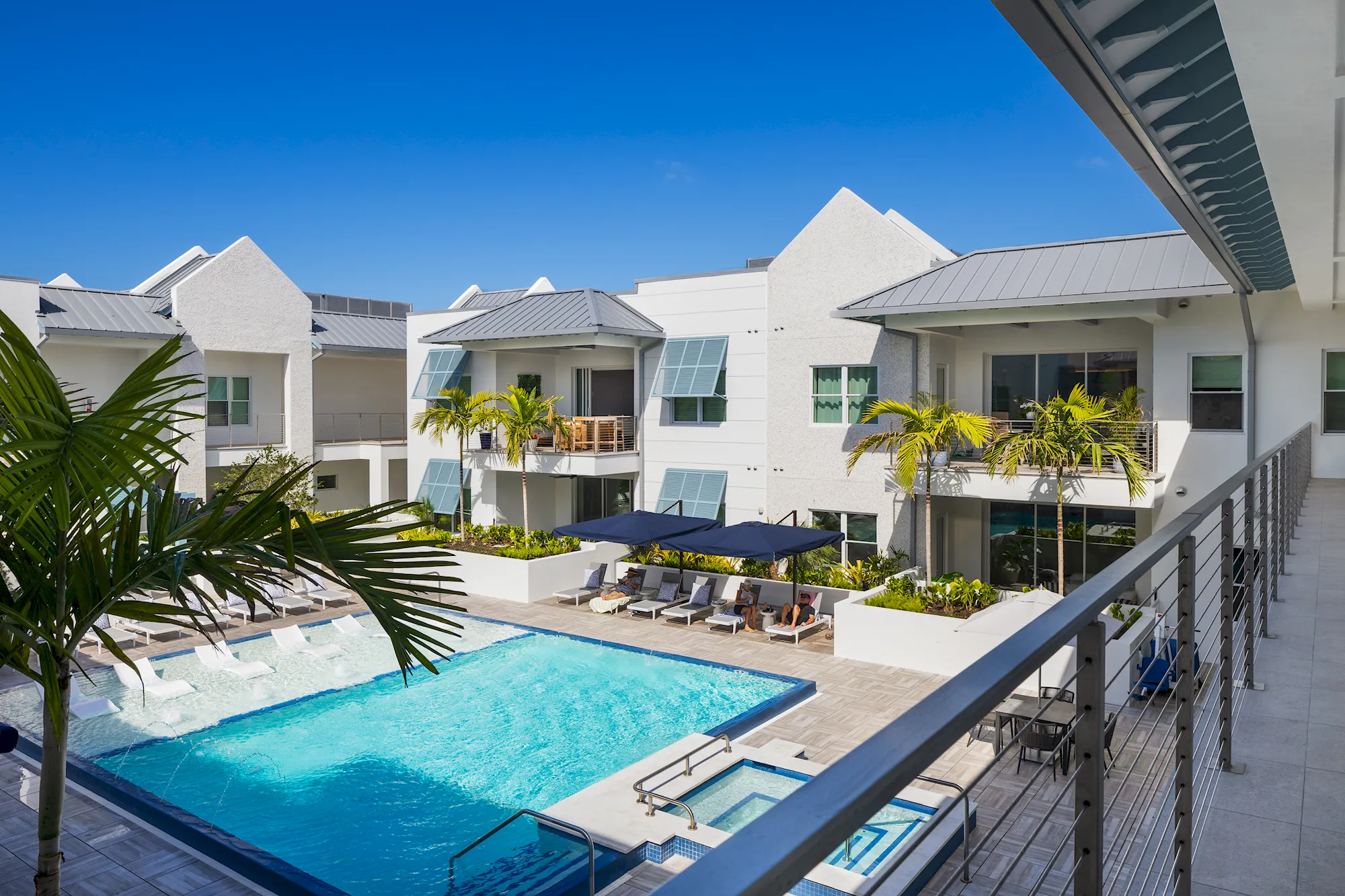
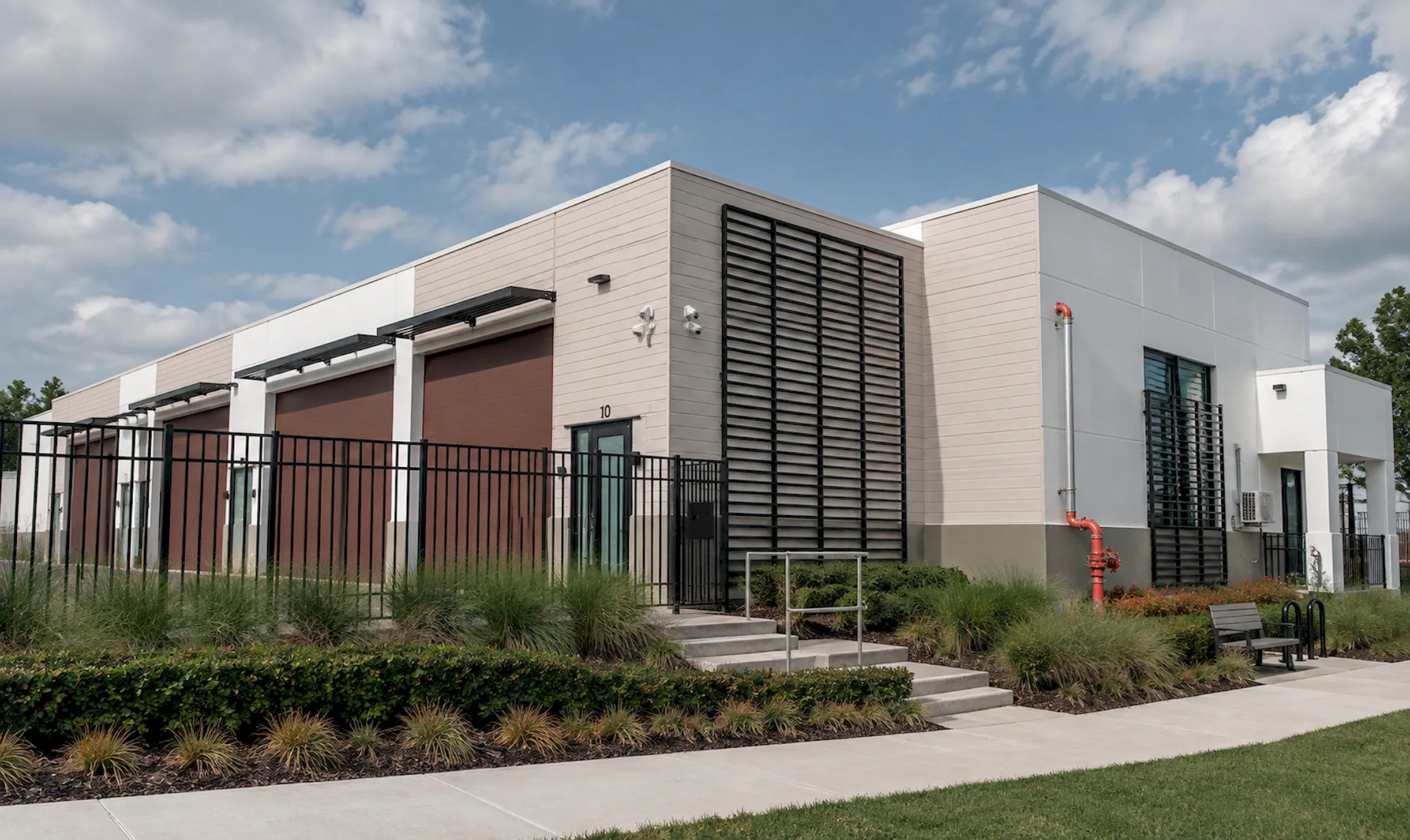
Pine Street Storage Warehouse
Pine Street Storage Warehouse [...]
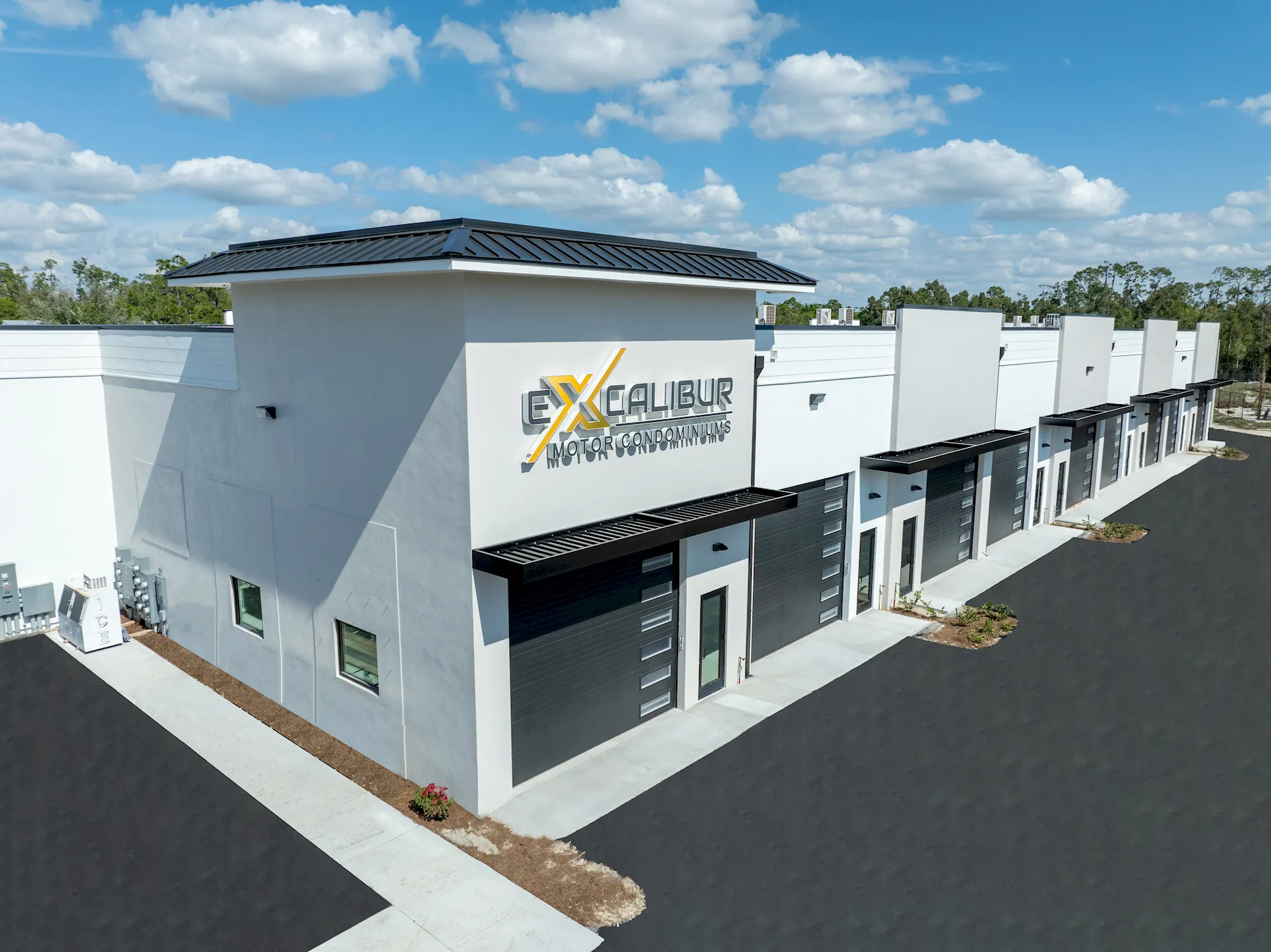
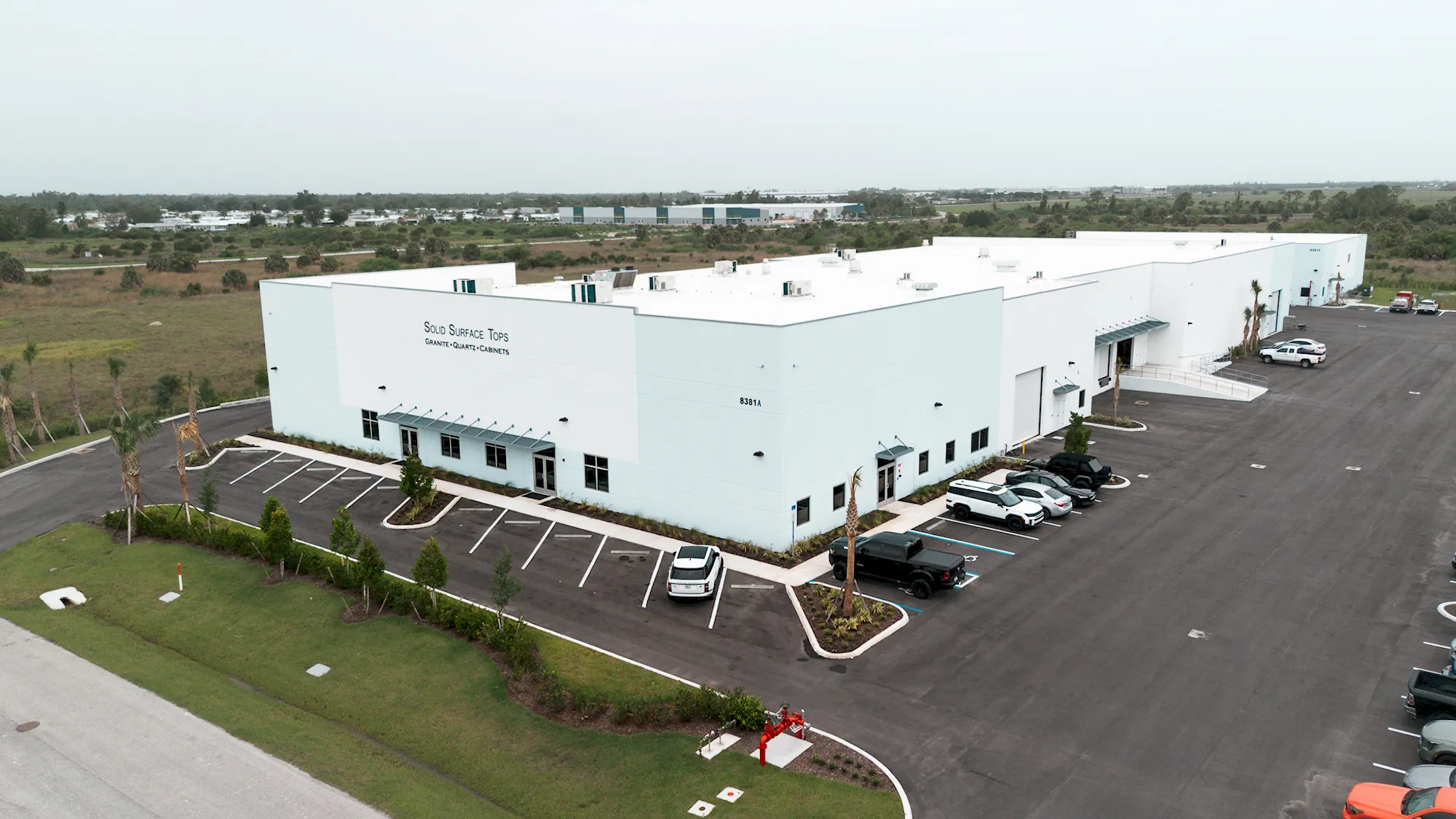
Balentine Builders – Manufacturing & Production Facility
Balentine Builders - Manufacturing & Production Facility [...]
Why Choose GCM For Your Structural Concrete
GCM isn’t a generalist who happens to do concrete. Concrete is what we built this company on — and it’s what general contractors across Southwest Florida call us about when a project gets technically demanding. Our reputation for craftsmanship, consistency, and engineering-informed problem-solving has been tested by hurricane seasons, record development cycles, and projects that had never been attempted anywhere in the world.
Our self-performing crews blend speed, structural durability, and high performance into every build. We serve warehouse and logistics hubs, manufacturing plants, office and retail spaces, modern storage facilities, marine operations, and aviation hangars. Whatever the structure, if it involves structural concrete in Southwest Florida, GCM has probably built one like it — and built it to last.
